A Facebook livestream, an Army veteran from Mississippi, and one of the worst moments the internet has ever mishandled — that’s the short version of how Ronnie McNutt’s name ended up everywhere in 2020. Not because people knew him. Because a graphic video of his death got loose online and nobody could put it back in the bottle. It reached people who never went looking for it. Kids, even.
This piece isn’t about that video. It’s about the guy behind it — who Ronnie McNutt actually was, what happened that night, and what the aftermath says about how careless the internet can be with someone’s worst moment.
Quick heads up: this story deals with suicide. If you’re struggling, 988 is there — call or text, any hour, no judgment attached.
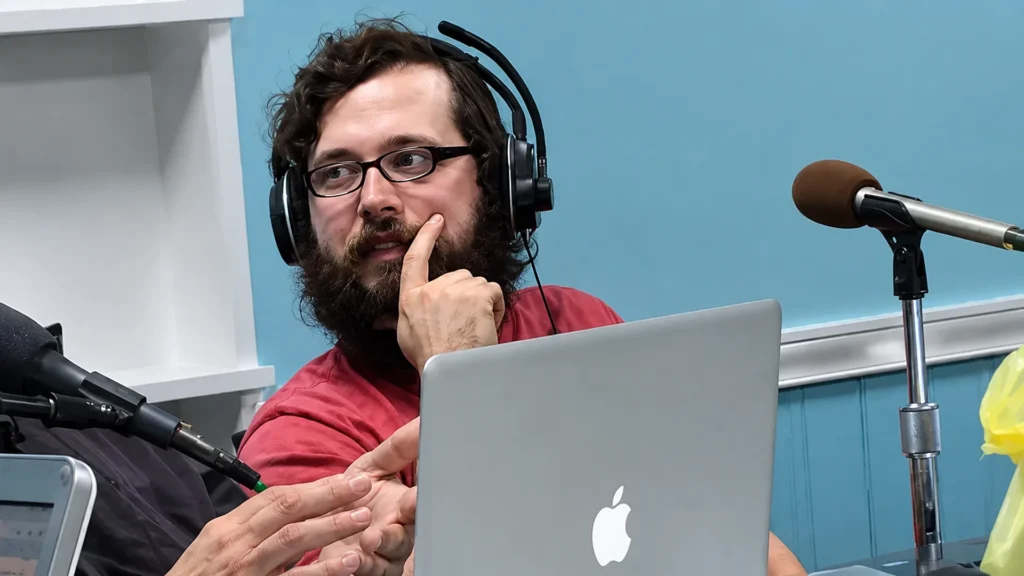
Quick Facts About Ronnie McNutt
| Full Name | Ronald Merle McNutt |
| Born | May 23, 1987 |
| Hometown | New Albany, Mississippi |
| Job | Army veteran, worked at a Toyota plant |
| Loved | Theatre, podcasting, church, his friends |
| Died | August 31, 2020, live on Facebook |
Who Ronnie McNutt Was
New Albany and Booneville — two small towns in northeast Mississippi, the kind of places where church and family aren’t optional extras. That’s where Ronnie grew up. His family took both seriously, and by most accounts so did he. People who knew him as a kid describe him the same way, over and over: easygoing, always had a joke on standby.
School ended, the Army Reserve started, and Iraq came next. When he got back, he didn’t go far — settled into Mississippi life again and landed steady work at a Toyota plant. But honestly, the job was never really the point of him.
The real thing was performing. He got into community theatre, which is actually how he met Joshua Steen — the two of them ended up cast together in a local production of Footloose, and that turned into a real friendship. Eventually they started a podcast, just riffing on pop culture, whatever they were both into that week. He showed up at church too, volunteered when he could. Ask anyone who knew him and you’ll hear some version of the same thing: warm, a little goofy, generous with his time.
What Iraq Left Behind
Ronnie deployed with the Army Reserve to Iraq, June 2007 to March 2008. He came home with an honorable discharge and genuine pride in having served. But combat doesn’t let go of people that easily.
Not long after he was back, doctors diagnosed him with PTSD. Friends say depression followed in the years after that — quietly, the way it often does. It’s a familiar pattern for a lot of veterans. You can hold down a job, show up for the people who need you, look completely fine from the outside — and still be carrying something nobody else can see.
The Night Ronnie McNutt Died: August 31, 2020
He went live on Facebook that evening, which wasn’t unusual — he streamed a lot. This one felt off almost immediately, though. Drunk, visibly upset, apparently coming off a breakup. At some point during the broadcast, a rifle went off. By accident, it seems.
Joshua Steen was watching, and he knew right away this wasn’t a normal stream. He tried talking Ronnie down on the spot. Called the police. Even tried to get Facebook to pull the plug on the feed. Pretty much everything a person could do from the wrong side of a screen, he did.
None of it was enough. Ronnie McNutt died by suicide during that broadcast, and by the time police got there, it was already over.
The stream stayed live long enough for people to record it. And once footage like that exists somewhere, it doesn’t really go away again.
How the Ronnie McNutt Video Got Everywhere
It didn’t stay on Facebook for long — within hours it had already surfaced on Twitter, Instagram, TikTok, usually posted by accounts with no connection to Ronnie at all, stripped of any context that might’ve made a viewer pause. Some TikTok clips used a bait-and-switch trick: looks like a normal video, then suddenly cuts to the graphic footage with zero warning. YouTube had its own wave of re-uploads too, people renaming and re-cutting clips to dodge the moderation filters.
A few things fed the spread. Reposting, mostly — take one copy down, three more show up somewhere else. The recommendation algorithms didn’t know “attention-grabbing” from “traumatic,” so they kept shoving the clips at people who never asked for any of it. And then there’s the uglier piece of this: some people shared it purely because it was shocking. Curiosity, dark humor, or honestly just not grasping what they were passing along.
Facebook caught a lot of heat. When Steen first reported the footage, the company told him it didn’t break their Community Standards — even though those same standards explicitly ban content that encourages suicide or self-harm. TikTok got hit with similar backlash, enough that people started calling for a boycott. And the whole thing dragged up a debate that had already started after Christchurch got livestreamed back in 2019: how much responsibility do platforms actually have to catch this stuff before it spreads, instead of cleaning up after?
How People Responded to the Ronnie McNutt Video
Online, it was grief mixed with anger in roughly equal parts. Some people rallied around Ronnie’s family. Others tried organizing against the spread of the footage. Joshua Steen ended up as the public face of that push, launching a campaign called #ReformForRonnie to pressure platforms into actually changing something.
What became painfully obvious, fast, was that neither the algorithms nor the human moderators could keep up with how quickly this thing was multiplying across apps.
A few things worth holding onto here: don’t go looking for graphic content, and don’t share it even out of curiosity — every share just extends its reach a little further. There’s a real family behind every viral tragedy, and they deserve the same respect you’d want for your own. And if you come across something harmful, report it through the actual channels instead of passing it along yourself.
How Ronnie McNutt Is Remembered
Back in New Albany, nobody talks about Ronnie in terms of how he died. They talk about who he was — the guy from church, from the theatre group, from that podcast, from the friend group that still misses him. Joshua Steen still brings him up publicly now and then, usually trying to steer the conversation back to Ronnie’s life instead of the video that made his name famous for all the wrong reasons.
The story of Ronnie McNutt keeps resurfacing in conversations about online safety, platform accountability, veteran mental health. Whenever a new content-moderation mess makes headlines, his name tends to come back up too — sometimes because people are genuinely trying to learn something from it, sometimes just because his case became the go-to reference point.
Setting the Record Straight About Ronnie McNutt
Stories like this one spread mostly through social media rather than careful reporting, so misinformation tags along for the ride. Here’s what’s actually true, versus what people keep repeating:
| What people say | What’s actually true |
|---|---|
| He’d just lost his job, and that’s what triggered everything. | Not true — Rolling Stone’s reporting confirmed he still had his job at Toyota. |
| Screenshots of his “final messages” floating around online are real. | Most of it’s unverified. A lot of what circulates has been fabricated. |
| The video is still easy to find on major platforms. | It’s been taken down repeatedly, though never completely — enforcement has gaps. |
For the actual facts, stick with outlets that covered it at the time — Rolling Stone, Engadget — rather than whatever screenshot happens to be making the rounds this week.
Common Questions About Ronnie McNutt
Who was Ronnie McNutt?
A 33-year-old from New Albany, Mississippi. Army veteran, Toyota plant worker, theatre guy, podcast host — in that order, roughly, though he’d probably put theatre first.
Why does Ronnie McNutt’s name still come up?
Because his death went viral in 2020 and became a major flashpoint in how we talk about platforms and harmful content.
Was Ronnie McNutt really a veteran?
Yes — Army Reserve, deployed to Iraq.
What actually happened the night Ronnie McNutt died?
He died by suicide during a Facebook livestream. His friend Joshua Steen tried to stop it, called for help — it just came too late.
Why did the Ronnie McNutt video spread so much?
It stayed live long enough to get recorded. After that: algorithms, reposting, plain shock value. That combination is hard to stop once it starts.
How did the platforms respond?
Facebook initially said it hadn’t broken any rules. TikTok caught heat too. Both cases pushed for faster moderation afterward
Last Thoughts on Ronnie McNutt’s Story
This was never really a story about a video. It’s about a person — a son, a friend, a veteran — and a family that lost him in about the most painful, public way imaginable. What happened afterward exposed just how unready platforms were to stop harmful content before it spread. And somewhere in all that mess, it did push real conversations forward — about veteran mental health, about online responsibility, about how we treat each other when there’s a screen between us.
The most respectful thing anyone can do with Ronnie McNutt’s story now is pretty simple: don’t go looking for the video, don’t share it, and remember there was a whole person here — not just a headline that keeps resurfacing.